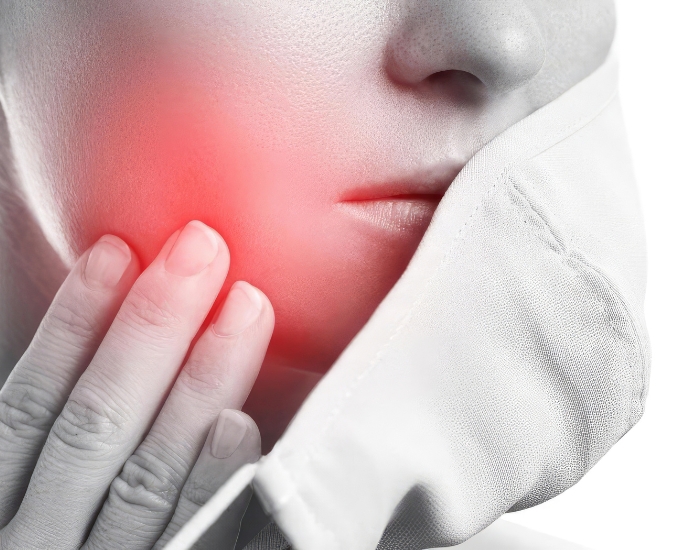
Temporomandibular joint (TMJ) disorders can significantly impact daily life, causing jaw pain, headaches, muscle tightness, and difficulty chewing or speaking. In many cases, patients try multiple conservative treatments without long-term relief. As a result, newer...
TMJ disorders can cause significant discomfort, including jaw pain, headaches, clicking sounds, and difficulty chewing. Because these symptoms often overlap with dental alignment issues, many patients wonder whether traditional orthodontics is enough to treat the...
Jaw stretching exercises are one of the most effective non-invasive ways to relieve jaw pain, improve mobility, and reduce muscle tension associated with TMJ disorders and myofascial pain syndrome. Many patients searching for jaw pain relief, tight jaw muscles, or TMJ...
Jaw tension is a common yet often overlooked condition that can affect daily comfort, speech, chewing, and even sleep quality. In many cases, people don’t realize they are clenching their jaw until pain, stiffness, or headaches begin to appear. Fortunately, the good...
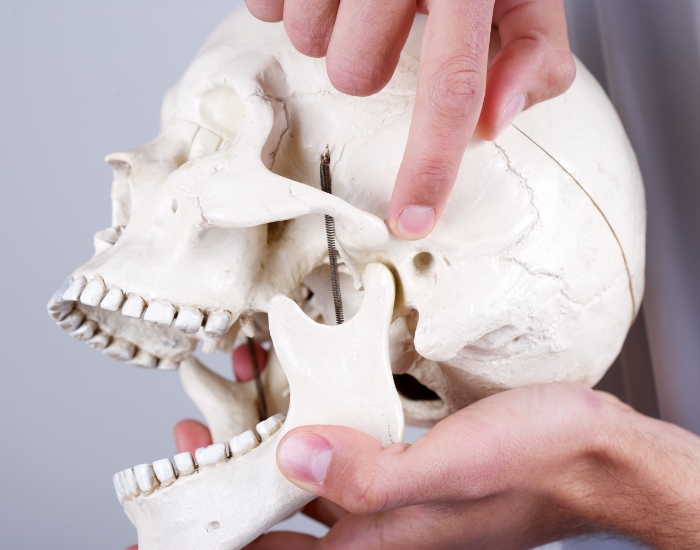
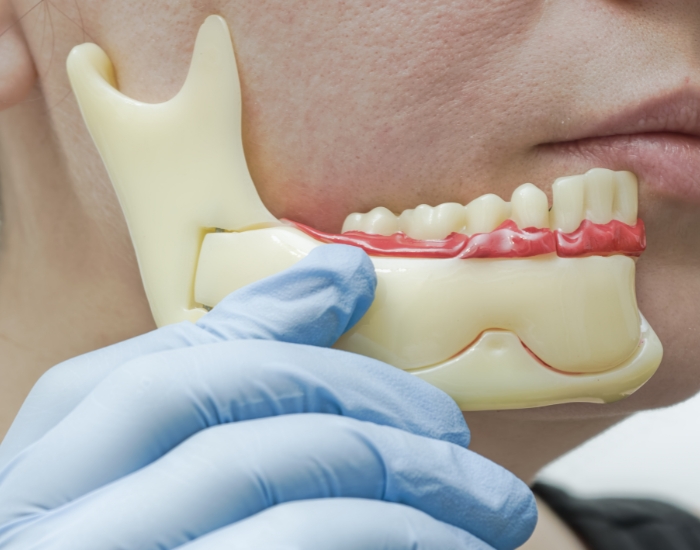
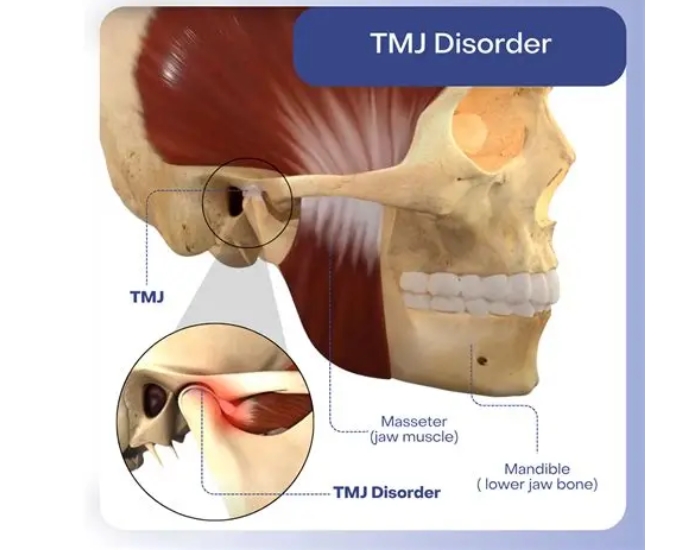
Temporomandibular joint disorder, commonly known as TMJ, is a condition that affects the jaw joint and surrounding muscles responsible for chewing and speaking. This joint connects your lower jaw to your skull and plays a critical role in everyday functions such as...
Temporomandibular joint dysfunction (TMJ or TMD) is a common condition that affects the jaw joint and surrounding muscles, often leading to pain, stiffness, and difficulty with everyday activities like chewing and speaking. In fact, many people experience symptoms...